Air Lockers are specialized limited-slip differentials designed to provide on-demand traction in off-road vehicles. By locking the axle halves together, they allow power to be equally distributed to both wheels, ensuring maximum grip in challenging terrains. While Air Lockers are highly reliable, proper maintenance is essential to ensure their optimal performance, longevity, and safety. Neglecting maintenance can result in delayed engagement, component wear, or even system failure, which can compromise off-road capabilities.
This guide focuses on technical maintenance, detailing step-by-step procedures, recommended intervals, and troubleshooting strategies. Following these instructions will help vehicle owners and technicians maintain Air Lockers in top condition.
Routine Inspections
Regular inspections are the cornerstone of Air Locker maintenance. Routine checks help identify wear, damage, or leaks early, preventing costly repairs.
Differential Housing and Components
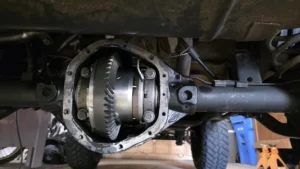
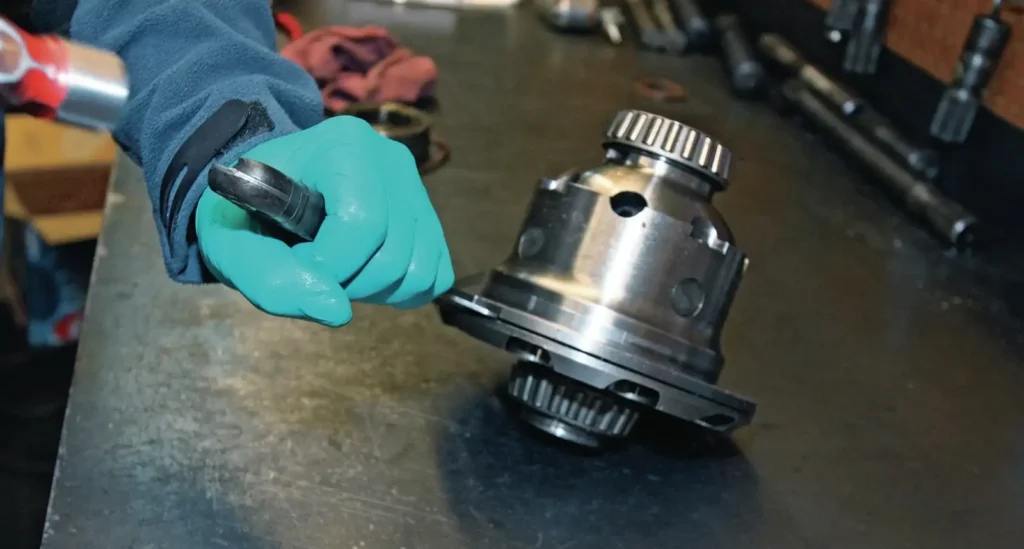
Inspect the differential housing for cracks, corrosion, or signs of physical damage. Check for loose bolts and ensure all mounting points are secure. Examine the locker mechanism for unusual wear patterns or misalignment.
Air Lines and Fittings
Air lines deliver compressed air to engage the locker. Inspect all hoses for abrasions, cuts, or pinches. Check fittings for tightness and any signs of air leaks. Even minor leaks can reduce system responsiveness.
Electrical Connections
If your Air Locker system integrates electronic controls, verify that all connections are secure and free of corrosion. Ensure switches and solenoids operate correctly.
Frequency of Inspections
For general driving, perform a visual inspection every 3,000 miles (5,000 km). For vehicles regularly used in off-road conditions—mud, sand, or water crossings—inspect before and after each off-road excursion.
Differential Oil Maintenance
Lorem ipsum dolor sit amet, consectetur adipiscing elit. Ut elit tellus, luctus nec ullamcorper mattis, pulvinar dapibus leo.
Recommended Oil Change Intervals
Change differential oil every 12,000 km (7,500 miles) or after exposure to water or mud. Off-road conditions can accelerate contamination and reduce lubrication efficiency.
Choosing the Right Gear Oil
Use high-quality, manufacturer-recommended gear oil. Typically, SAE 75W-90 or 80W-140 synthetic gear oils are suitable for Air Lockers. Synthetic oils resist thermal breakdown and maintain viscosity under extreme conditions.
Oil Change Procedure
- Remove the differential cover or drain plug.
- Allow all old oil to drain completely.
- Inspect the drained oil for metal shavings or debris, which may indicate wear.
- Refill with fresh oil until it reaches the filler plug level.
- Rotate the axle manually to allow oil to penetrate the locker mechanism, then top up as needed.
Additional Tips
- Always use clean tools and containers to prevent contamination.
- Consider installing a magnetic drain plug to capture small metal particles.
- Record oil change dates and mileage for maintenance tracking.
Air System Maintenance
The air system is crucial for activating and disengaging the locker. Proper air system care prevents leaks and ensures reliable engagement.
Compressor and Reservoir Check
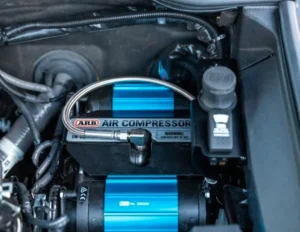
Inspect the air compressor and reservoir for leaks, moisture buildup, and proper pressure operation. Drain accumulated moisture regularly to prevent corrosion in the system.
Air Lines Cleaning
Remove moisture or oil deposits from air lines using compressed air. Check for kinks or abrasions, especially after exposure to brush, rocks, or debris.
Solenoid Valve Maintenance
Solenoid valves control the airflow to the locker. Ensure valves are clean, free of debris, and operate smoothly. Replace worn or faulty valves immediately.
Engagement Testing
Periodically test the locker engagement on a safe, level surface. Listen for unusual sounds and ensure both wheels lock properly. Delayed engagement may indicate leaks, pressure issues, or mechanical wear.
Troubleshooting Common Issues
Even with proper maintenance, issues may arise. Understanding common problems and solutions can prevent major failures.
Engagement Failures
- Symptoms: Locker does not engage or engages intermittently.
- Causes: Low air pressure, leaks, faulty solenoids, or damaged internal components.
- Solutions: Check air lines and fittings for leaks, test solenoid operation, verify compressor pressure, and inspect internal locker mechanism.
Air Leaks
- Symptoms: Hissing sounds, reduced responsiveness.
- Causes: Damaged hoses, loose fittings, or worn seals.
- Solutions: Replace damaged hoses, tighten fittings, or change worn o-rings.
Oil Contamination in Air Lines
- Symptoms: Gear oil appears in air lines.
- Causes: Worn o-rings, over-pressurization, or improper assembly.
- Solutions: Inspect and replace o-rings, check pressure settings, and verify proper installation.
Unusual Noise or Vibration
- Symptoms: Grinding, clicking, or vibrations during engagement.
- Causes: Worn gears, bearings, or misalignment.
- Solutions: Inspect internal components, replace worn parts, and ensure proper torque on bolts.
Tools and Equipment for Maintenance
Proper tools simplify maintenance and ensure correct procedures.
Recommended Tools:
- Torque wrench for precise bolt tightening
- Clean oil pans and funnels
- Compressed air source for cleaning air lines
- Basic hand tools (wrenches, sockets, screwdrivers)
- Inspection lights and mirrors for hard-to-see areas
- Gear oil pump for easy refilling
Optional Tools:
- Magnetic drain plugs
- Leak detection spray for air system testing
- Digital pressure gauge to monitor air compressor
Professional Maintenance and Safety
While many Air Locker maintenance tasks can be performed by experienced vehicle owners, some procedures require professional expertise.
When to Seek Professional Help
- Major internal repairs (gear or bearing replacement)
- Persistent engagement issues
- Compressor or solenoid failures beyond routine maintenance
Safety Precautions
- Always lift the vehicle securely using jack stands or a lift.
- Wear protective gloves and safety glasses.
- Avoid working under the vehicle without proper support.
- Disconnect the battery when servicing electrical components.
Maintenance Checklist
| Task | Frequency | Notes |
|---|---|---|
|
Visual inspection of housing, air lines, and fittings |
Every 3,000 miles / before & after off-road trips |
Check for leaks, abrasions, or damage |
|
Differential oil change |
12,000 km / after water exposure |
Use manufacturer-recommended gear oil |
|
Air compressor and reservoir inspection |
Every 6 months |
Drain moisture, check pressure |
|
Solenoid valve inspection |
Every 6 months |
Ensure proper operation |
|
Every 3,000 miles / after heavy use |
Locker engagement test |
Check for smooth, full engagement |
|
Replace worn o-rings or hoses |
As needed |
Prevent leaks and contamination |
Conclusion
Maintaining an Air Locker is a technical yet essential task for any off-road vehicle owner. Regular inspections, proper differential oil management, diligent air system maintenance, and prompt troubleshooting of common issues ensure reliable performance and longevity. Using the right tools and following professional safety practices further enhances the effectiveness of maintenance routines.
A well-maintained Air Locker provides consistent, on-demand traction, allowing drivers to navigate challenging terrains confidently. By adhering to this technical guide, vehicle owners can maximize the life and efficiency of their Air Locker systems, reduce unexpected failures, and enjoy the full benefits of enhanced off-road capabilities.