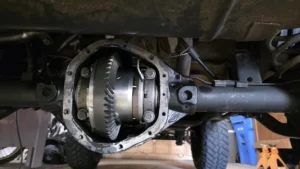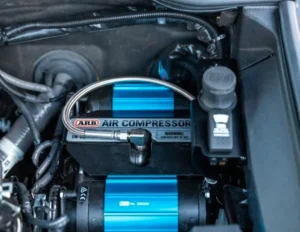
Why Differentials Matter?
This is where specialized differentials, particularly electronic ones, become vital. They allow the vehicle to “decide” when the wheels should spin independently and when they should be forced to spin together.
What Is an Electric Differential?
These systems function as intelligent torque management units that adapt their behavior based on real-time driving demands. Rather than being limited to a single mechanical setting, an electronic differential uses electronic actuators to bridge the gap between an open and a fully locked state. By continuously processing data from various sensors—monitoring wheel speed, steering angle, and throttle position—the system can determine the exact amount of force needed at any given millisecond. This allows the vehicle to provide maximum traction during off-road maneuvers while maintaining refined handling and stability during high-speed cornering on paved roads.
How Electronic Locking Differentials (E-Lockers) Work
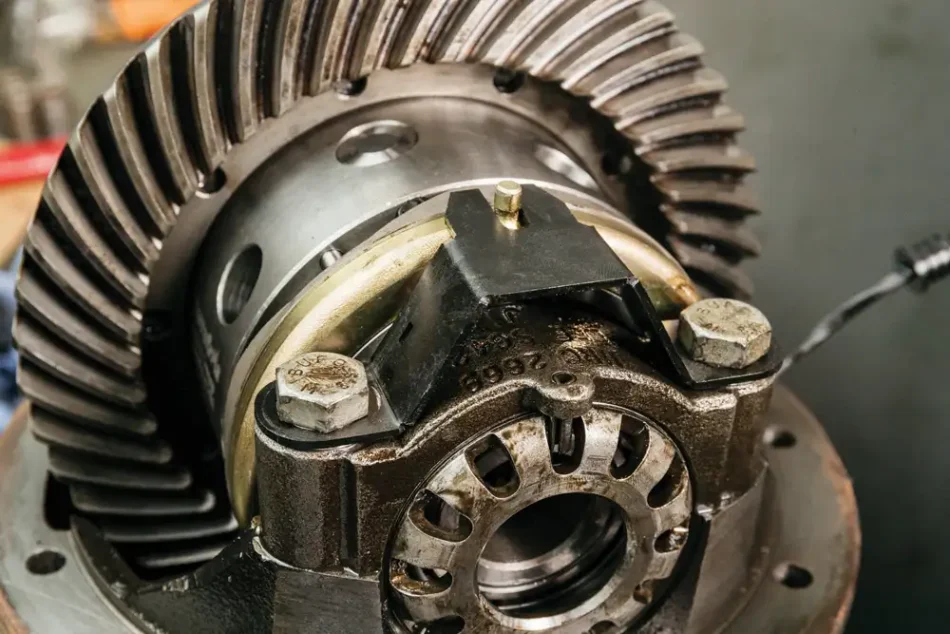
The Electromagnetic Actuator
Once locked, the left and right wheels are forced to turn at the exact same speed, regardless of traction. Even if one wheel is suspended in mid-air, the wheel on the ground will receive 50% of the available torque, allowing the vehicle to pull itself out of difficult terrain.
The Benefit of "On-Demand" Control
Traditional mechanical lockers (like “Detroit Lockers”) are often noisy and can cause the vehicle to jerk or “chirp” tires during tight turns on pavement. The electronic version eliminates this by staying completely open until the moment it is needed, preserving tire life and improving road manners.
How an Electronic Diff Enhances Handling and Performance
Intelligent Clutch Management
Real-Time Adaptability
Comparing the Different Types of Differentials
| Differential Type | Operation Principle | Best Use Case | Pros | Cons |
|---|---|---|---|---|
|
Open Diff |
Mechanical Gears |
Daily Driving |
Cheap, smooth turns |
Zero traction on slip |
|
Mechanical LSD |
Friction/Clutches |
Street Performance |
Reliable, predictable |
Wears out over time |
|
Manual Locker |
Cable/Air Actuated |
Hardcore Off-road |
100% Traction |
Difficult to engage/noisy |
|
E-Locker |
Electromagnetic |
SUVs / Trucks |
User-controlled, reliable |
Should not use at high speed |
The Synergy of Hardware and Software
When you drive over a patch of black ice, the ABS sensors notice that one wheel is spinning faster than the others. In an older car, the ESC would simply apply the brakes to slow you down. In a car equipped with an electronic diff, the computer can simultaneously apply a specific amount of locking force to the differential to move power to the wheel with grip, while the ESC makes minor braking adjustments. This results in a much smoother, safer recovery from a slide.
Maintenance and Durability of the Electronic Diff
Because an electronic diff is an “active” component rather than a passive set of gears, it requires specific attention to ensure long-term reliability. The integration of sensitive electronics with heavy-duty mechanical hardware means that the maintenance profile of an electronic diff differs significantly from that of a traditional open differential.
Fluid Quality and Specialized Lubrication
For a high-performance electronic diff, the internal fluid serves a dual purpose: it is both a lubricant for the gears and a hydraulic medium for the internal friction plates. To maintain the precise engagement that an electronic diff is known for, the oil must have the correct viscosity and chemical additives. Using the wrong type of gear oil can lead to “clutch chatter,” reduced torque transfer efficiency, or even the total failure of the internal discs. Regular fluid intervals are essential, especially for vehicles that utilize the electronic diff for frequent towing or spirited driving.
Electrical Integrity and Sensor Protection
Since an electronic diff relies on solenoids, actuators, and speed sensors to function, the electrical health of the system is paramount. The wiring harnesses for the electronic diff are typically located underneath the vehicle, exposing them to road salt, water, and debris. Over time, corrosion in a single connector can trigger a fault light on the dashboard, potentially disabling the unit’s advanced traction features. Ensuring that the electrical connections to the electronic diff remain sealed and clean is a critical part of modern drivetrain care.
Heat Management During Intensive Use
Operating an electronic diff at its limit—such as during track sessions or heavy off-road rock crawling—generates a substantial amount of heat within the housing. Modern electronic diff units are engineered with cooling fins, and many high-end applications include dedicated oil coolers. Excessive heat can cause the fluid to break down, which compromises the ability of the electronic diff to distribute torque accurately. For drivers who push their vehicles to the limit, monitoring the temperature of the electronic diff is vital to preventing long-term mechanical wear.
Sourcing High-Quality Drivetrain Components
As a specialized factory, XJXPARTS provides precision-engineered automotive components designed for durability and performance. If you are looking for reliable manufacturing for your drivetrain needs, feel free to contact us at any time to discuss how we can support your business.