What Is a Diff Lock on Ford Ranger
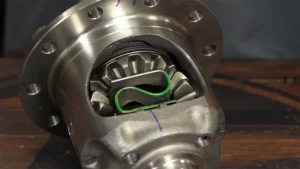
A differential lock, commonly called a “diff lock,” is a mechanism that forces both wheels on the same axle to rotate at the same speed. Under normal driving conditions, a differential allows the left and right wheels to rotate at different speeds. This is necessary when turning because the outside wheel travels a longer distance than the inside wheel.
However, this normal differential behavior can become a disadvantage in low-traction environments.
When one wheel loses traction—such as when it is suspended in the air or stuck in mud—the differential directs most of the engine’s torque to that wheel. Because the slipping wheel offers the least resistance, the vehicle may remain stuck even though the other wheel still has traction.
A diff lock solves this problem by mechanically linking the axle shafts together. When engaged:
- Both wheels rotate at the same speed
- Torque is distributed equally
- The wheel with traction can continue pushing the vehicle forward
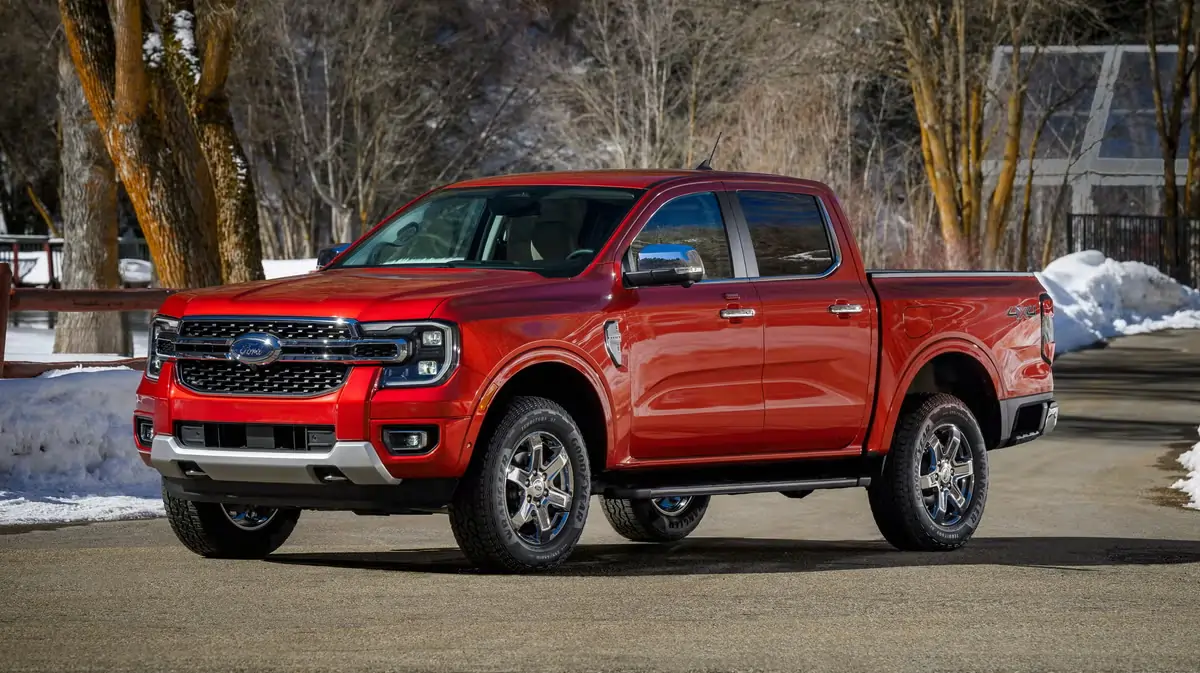
In a Ford Ranger, the rear differential lock is typically the most common configuration. It helps the truck maintain traction when driving off-road, climbing steep terrain, or navigating uneven ground.
Some Ranger models use an electronic locking differential, which allows the driver to activate the system with a switch or button. When engaged, an internal locking mechanism prevents the differential gears from rotating independently. This design dramatically improves traction in challenging environments.
Does Ford Ranger Have a Differential Lock
Not all Ford Ranger models are equipped with a differential lock, but many off-road oriented trims include one as standard equipment or as an optional upgrade.
The availability of a diff lock often depends on the model year and trim level. Common examples include:
Factory-equipped diff lock (in many markets):
- Ford Ranger Wildtrak
- Ford Ranger FX4
- Ford Ranger Raptor
- Certain Ranger XLT off-road packages
Most modern Rangers use an electronic locking rear differential (e-locker). This system allows the driver to engage the lock electronically through the vehicle’s control system rather than manually installing mechanical components.
The advantages of an electronic diff lock include:
- Quick activation through a dashboard switch
- Integration with the vehicle’s traction control system
- Automatic disengagement at higher speeds to prevent drivetrain stress
Some earlier Ranger models or base trims may rely solely on traction control instead of a locking differential. Traction control attempts to mimic diff lock behavior by applying braking force to spinning wheels, but it is generally less effective in extreme off-road situations.
For drivers who frequently encounter mud, sand, or rocky terrain, a true differential lock provides significantly more reliable traction.
How to Turn On Ford Ranger Diff Lock
Operating the diff lock on a Ford Ranger is typically straightforward, but the exact procedure may vary slightly depending on the model year and drivetrain system.
In most modern Rangers equipped with an electronic locking rear differential, the activation process follows these general steps:
1. Stop or slow the vehicle
The diff lock should usually be engaged at low speed or when the vehicle is stationary. This reduces mechanical stress on the drivetrain.
2. Select the appropriate drive mode
For off-road situations, drivers often switch the transfer case into 4H (four-wheel drive high) or 4L (four-wheel drive low) before engaging the differential lock.
3. Press the diff lock button
The control button is typically located on the dashboard or center console. Once activated, an indicator light appears on the instrument cluster confirming the system is engaged.
4. Drive slowly through the obstacle
With the diff lock engaged, both rear wheels rotate together, improving traction.
5. Disengage after passing the obstacle
Once normal driving conditions return, the diff lock should be turned off to restore standard differential operation. Driving with the differential lock engaged on dry pavement or high-traction surfaces is not recommended because it can place excessive strain on the drivetrain and make turning difficult.
When Should You Use Diff Lock
A differential lock is specifically designed for low-traction environments where normal differential operation prevents the vehicle from moving effectively.
Mud
Mud can easily cause one wheel to spin freely while the other remains stationary. Engaging the diff lock allows both wheels to apply torque, improving the vehicle’s ability to move forward.
Sand
Loose sand behaves similarly to mud, where traction can be inconsistent. A locked differential prevents power loss to a slipping wheel.
Rock Crawling
In rocky terrain, it is common for one wheel to lift off the ground. Without a diff lock, the lifted wheel spins while the other wheel receives little torque.
Deep Ruts
When driving through uneven trails, one side of the axle may lose traction. Locking the differential helps maintain forward motion.
Steep Off-Road Climbs
During climbs, uneven terrain may cause uneven wheel loading. A locked differential ensures both wheels contribute to traction.
Despite its advantages, diff lock should not be used during normal road driving. On paved surfaces, the system can cause tire scrubbing, difficult turning, and increased drivetrain wear. Using it only when needed preserves both vehicle performance and component longevity.
Diff Lock vs 4H vs 4L
Many drivers confuse differential lock with four-wheel-drive modes such as 4H and 4L, but they serve different purposes within the drivetrain system.
4H (Four-Wheel Drive High)
4H engages both the front and rear axles while maintaining a standard gear ratio suitable for moderate speeds. It is commonly used for gravel roads, snow-covered highways, and light off-road trails. 4H improves overall traction by powering all four wheels but does not lock the differential.
4L (Four-Wheel Drive Low)
4L provides a lower gear ratio through the transfer case. This multiplies torque and allows for better control at low speeds. Typical uses include rock crawling, steep climbs or descents, and deep mud or sand. Again, 4L does not lock the axle differential by itself.
Differential Lock
A diff lock operates at the axle level, not the transfer case. It ensures both wheels on the same axle rotate together. 4H and 4L distribute power between axles, while diff lock distributes power evenly between wheels on one axle. When combined, these systems provide maximum traction.
Common Problems with Ford Ranger Diff Lock
Although differential locks are robust components, they can occasionally develop issues, particularly if used improperly or exposed to harsh environments.
Diff Lock Not Engaging
Drivers may press the activation button but notice that the system fails to engage. Possible causes include electrical wiring faults, failed actuator motor, faulty control switch, or vehicle speed too high for engagement.
Warning Light Stays On
If the differential lock indicator remains illuminated after disengagement, the locking mechanism may not have fully released. This can occur due to dirt or debris inside the differential, mechanical wear, or electronic control system faults. Driving with a partially engaged diff lock can cause drivetrain stress.
Noisy Differential
Grinding or clunking sounds from the rear axle when the diff lock is engaged may indicate internal gear wear or improper lubrication. Regular differential oil changes help prevent these issues.
Difficulty Turning
When the differential lock is active, turning on high-traction surfaces becomes difficult because both wheels rotate at the same speed. If this occurs unintentionally, the diff lock may still be engaged.
For those looking for differential components or upgrades, XJXPARTS is a factory specializing in drivetrain parts. If you need more information, feel free to contact us at: https://www.xjxparts.com/contact-us/