What Does Preload Mean in a Helical LSD?
Why Does a Helical LSD Need Preload?
How Is Preload Created?
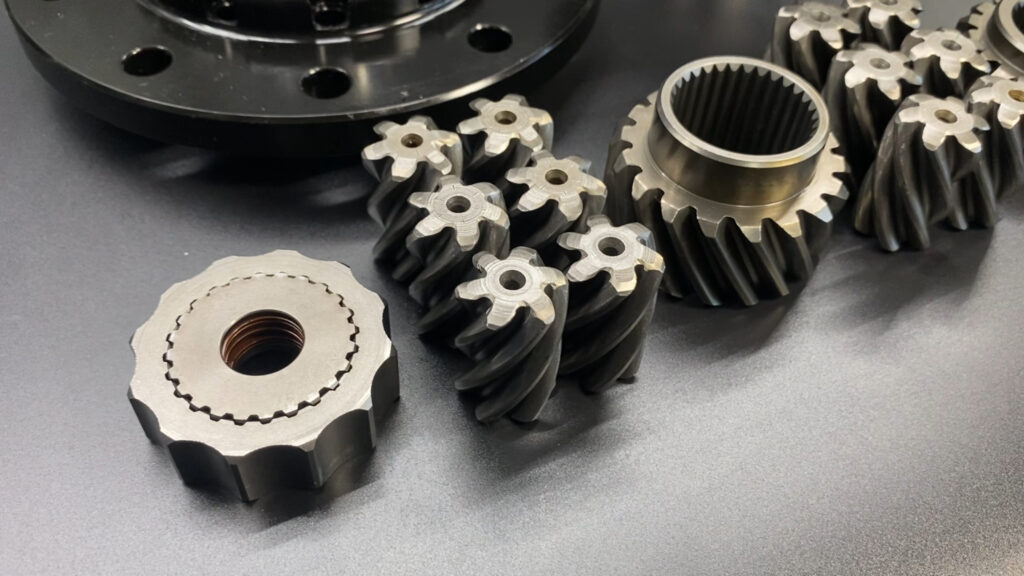
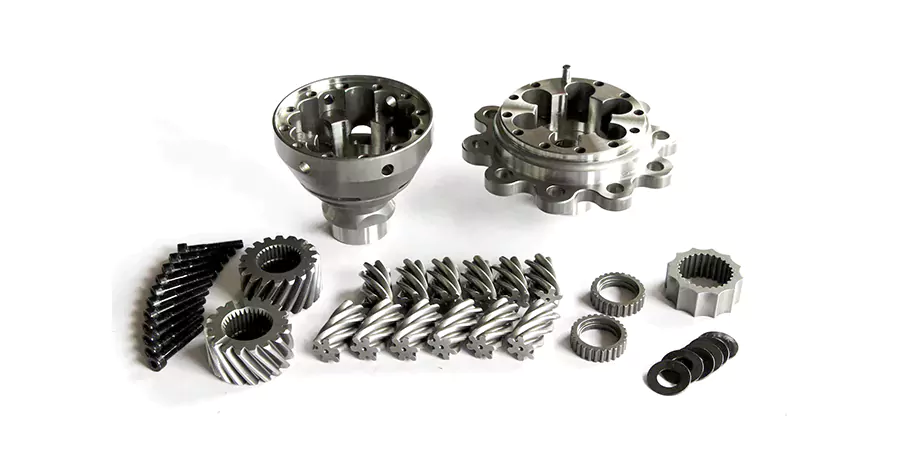
- preload springs;
- spring washers;
- Belleville washers;
- friction elements;
- thrust surfaces;
- specially designed gear clearances.
The internal geometry matters.
The preload system matters.
The machining tolerances matter.Preload Is Not the Same as Torque Bias Ratio
This distinction is important.
Customers sometimes ask us:
“What is the preload percentage?”
or:
“Is higher preload the same as a higher locking percentage?”
Not exactly.
Preload and torque bias ratio, or TBR, describe different things.
Torque bias ratio tells you how much more torque the LSD can potentially send to the wheel with better traction compared with the wheel with less traction.
For example, if a helical LSD has a theoretical 3:1 torque bias ratio, it may be able to send roughly three times as much torque to the high-traction side as to the low-traction side under suitable conditions.
Preload, on the other hand, is the initial resistance present before the torque difference becomes significant.
A simple way to remember it is:
Preload helps the LSD start working.
Torque bias determines how strongly the LSD can redistribute torque once it is working.
They influence each other, but they are not the same specification.What Does More Preload Feel Like When Driving?
You may notice:
- more resistance during slow turns;
- increased tire scrub;
- heavier steering characteristics in front differential applications;
- more drivetrain feedback;
- higher internal temperature;
- faster wear in certain components.
Street LSD Preload vs Performance LSD Preload
The LSD should remain almost unnoticed during parking and normal cornering, but become effective when accelerating out of a corner.
In this situation, excessive preload would probably make the vehicle less pleasant to drive.
For a track car, rally car, or performance application, a more aggressive response may be desirable.
The driver may accept more differential resistance in exchange for faster torque transfer.
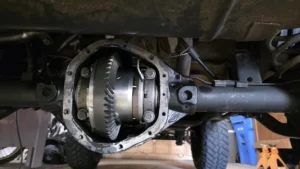
For off-road vehicles, the situation is slightly different again.
When driving over rocks, deep ruts, or uneven terrain, one wheel can become almost completely unloaded.
In these conditions, preload can become particularly useful because it helps the helical differential maintain torque transfer when wheel load is very low.
But there is still an important point.
A helical LSD is not the same thing as a 100% locking differential.Can Preload Make a Helical LSD Work Like a Locker?
No.
This is something I always try to explain clearly.
A helical LSD with preload can improve traction significantly, but it does not mechanically lock both axle shafts together in the same way as an air locker, e-locker, or mechanical locker.
A full differential locker can force both wheels to rotate together when engaged.
A helical LSD continues to work through torque bias and internal resistance.
This gives the helical LSD some very nice advantages:
smooth operation;
automatic engagement;
no compressor;
no electrical switch;
and no driver input required.
But if someone is doing extreme rock crawling and frequently has one wheel completely off the ground, a selectable locker may still be the better choice.
It all depends on the application.Does Preload Change Over Time?
Yes, it can.
The preload characteristics of a differential can change slightly after the LSD has been used for some time.
This is because internal contact surfaces gradually bed in.
Gear surfaces, thrust faces, washers, and other friction areas may polish slightly during the running-in period.
Oil temperature and lubricant viscosity also affect the way the differential feels.
This is why a new LSD sometimes feels slightly tighter during the first few hundred kilometers and becomes smoother after some use.
That does not necessarily mean the differential is wearing out.
In many cases, it is simply completing its initial running-in process.
However, if the differential suddenly becomes extremely loose, noisy, or behaves very differently from when it was installed, then it is worth checking the installation and internal condition.How Much Preload Is Best?
For example:
A comfortable street vehicle usually benefits from relatively mild preload and smooth torque transfer.
A performance vehicle may prefer stronger initial response.
An off-road vehicle may benefit from additional preload to help when one wheel becomes unloaded.
A front-wheel-drive application usually needs careful calibration because excessive differential resistance can strongly affect steering feel.
That is why when customers ask us for a custom helical LSD, I normally prefer to understand the application first instead of simply asking, “How much preload do you want?”
The better questions are:
What vehicle is it?
Is the LSD for the front or rear axle?
How much torque does the vehicle produce?
Is the vehicle mainly used on the street, track, gravel, or off-road?
What type of tire is being used?
And what behavior is the driver expecting?
Once those questions are clear, choosing the appropriate LSD characteristics becomes much easier.Final Thoughts
The best helical LSD is therefore not the one with the highest preload.
It is the one where preload, torque bias ratio, gear geometry, durability, and drivability are correctly balanced for the vehicle.
That balance is what separates a differential that simply fits inside the axle from one that actually works well on the road.
And when we develop or match a helical limited slip differential for a customer, that is the part we pay the most attention to.