Understanding the Rear Differential
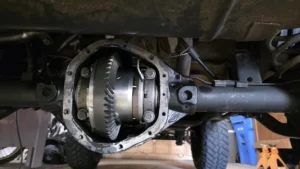
The rear differential is a critical component in BMW’s rear-wheel and all-wheel-drive systems. It transfers power from the driveshaft to the rear wheels, allowing them to rotate at different speeds when cornering. This not only improves handling but also reduces tire wear. BMW rear differentials vary across models and generations, with popular codes including 168, 188, 188k, and 210. While differences exist in size, torque capacity, and internal components, the basic functions remain consistent.
Common Differential Issues
Several recurring issues can affect BMW rear differentials. Recognizing the symptoms early can prevent further damage and costly repairs.
1. Whining or Howling Noise
- Worn or damaged gears: Over time, the crown wheel and pinion teeth can wear unevenly, creating contact inconsistencies.
- Incorrect gear mesh: Improper backlash adjustment during installation or after maintenance can lead to noise.
- Low or contaminated differential fluid: Lubrication is crucial to reduce friction and heat. Old or contaminated fluid loses its protective qualities.
- Lift the rear of the vehicle and rotate the wheels manually to detect unusual resistance or noise.
- Check for proper backlash and gear pattern using marking compound.
- Inspect fluid levels and quality; replace if contaminated.
Preventive maintenance can significantly reduce the occurrence of whining noises. Using the correct specification oil and maintaining recommended change intervals ensures smooth gear engagement and longevity of internal components.
2. Grinding or Clunking Sounds
- Worn bearings: Bearing failure produces metallic clunking noises and can lead to additional damage if not addressed promptly.
- Damaged pinion or side gears: Chips or cracks on gear teeth create grinding sounds and uneven load distribution.
- Loose components: Bolts, mounting brackets, or bushings that have become loose can contribute to rattling and vibration.
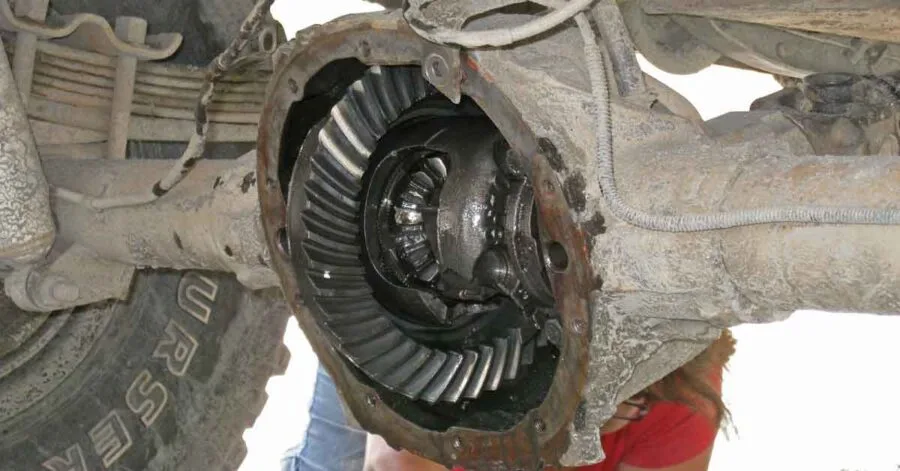
- Visually inspect gears and bearings for wear or damage.
- Test for play in the pinion and side gears; excessive play is a clear indicator of wear.
- Listen for noise with the differential in both loaded and unloaded conditions to isolate the source.
Addressing grinding sounds early prevents cascading failures that could compromise the entire drivetrain. Replacing worn bearings and gears, and ensuring proper torque settings, is essential.
3. Oil Leaks
- Worn seals: Pinion seals and axle seals degrade over time, especially under high heat and load conditions.
- Loose cover bolts: Improper torque can allow fluid to escape, leading to lubrication loss.
- Cracks in the housing: Rare but possible, especially in older models or vehicles subjected to impact or heavy use.
- Check for wet spots around seals, cover gaskets, and vent tubes.
- Monitor fluid levels regularly to ensure consistent lubrication.
- Replace faulty seals and tighten cover bolts to manufacturer specifications.
Oil leaks can lead to serious differential damage if left unattended. Maintaining proper fluid levels is not only essential for longevity but also for preventing noise, heat buildup, and gear wear.
4. Excessive Play or Backlash
- Incorrect installation: During assembly or maintenance, incorrect shimming can alter gear alignment.
- Worn components: Over time, bearings and gear teeth may wear, increasing clearance and causing uneven engagement.
- Temperature-related expansion: Prolonged heat cycles can slightly alter clearances, affecting backlash in older differentials.
- Measure backlash using a dial indicator according to BMW specifications.
- Inspect gear contact pattern with marking compound to ensure even distribution.
- Adjust shims or replace worn components as necessary.
Proper backlash is critical for noise-free operation and equal load distribution. Maintaining these clearances reduces the risk of gear tooth fatigue and premature failure.
5. Vibrations or Shuddering
- Imbalanced driveshaft: Misalignment can transmit vibrations to the differential and rear axle.
- Damaged spider gears: Broken or worn internal gears cause uneven rotation, leading to shuddering.
- Worn universal joints or CV joints: Joints connected to the differential may transfer unwanted movement to the chassis.
- Test drive at varying speeds to isolate vibration frequency and conditions.
- Inspect driveshaft, U-joints, and internal differential gears for wear or damage.
- Repair or replace components showing excessive wear to restore smooth operation.
Vibrations not only affect comfort but can also accelerate wear in other drivetrain components. Addressing these issues promptly prevents compounded damage.
6. Overheating
- Low fluid levels or incorrect oil type: Insufficient lubrication increases friction and heat.
- Overworked differential: Towing, track use, or off-road conditions can exceed the design capacity of certain models.
- Internal damage: Worn gears or bearings generate excess heat.
- Check for fluid discoloration or burnt smell.
- Inspect for signs of metal debris in the oil.
- Monitor differential temperature during heavy use.
Preventive maintenance, including fluid replacement and choosing the correct differential for the application, reduces the risk of overheating.
Preventive Measures
- Regular fluid changes: BMW recommends specific gear oils; adhering to maintenance intervals prevents wear and overheating.
- Proper installation: Ensure differential assembly, backlash, and torque settings meet manufacturer specifications.
- Routine inspections: Periodically check for leaks, noises, and vibration signs.
- Avoid overloading: Exceeding torque limits for specific differential models can accelerate wear.
When to Consult a Professional
While minor issues like fluid top-ups can be managed independently, more serious problems—such as worn bearings, damaged gears, or improper backlash—require professional intervention. Misalignment, improper installation, or failure to diagnose internal damage can lead to complete differential failure, resulting in costly repairs and potential safety hazards.
Conclusion
BMW rear differentials, whether 168, 188, 188k, or 210 models, are engineered for precision and durability. Common differential issues—such as whining, grinding, leaks, excessive backlash, vibrations, and overheating—can compromise performance if left unaddressed. Diagnosing these issues early, following proper maintenance practices, and using high-quality components significantly extend the life of the differential and preserve vehicle dynamics.
For reliable BMW differential parts and professional support, XJXPARTS offers factory-direct solutions. Contact us anytime via our contact page for inquiries or assistance.