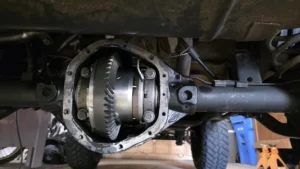
A differential plays a crucial role in a 4WD vehicle, allowing wheels to rotate at different speeds while cornering. This ensures smooth handling on roads and uneven terrain. However, when off-roading, this system can sometimes work against you. If one wheel loses traction or lifts off the ground, the standard differential directs power to that wheel, leaving the wheel on the ground without drive. This is where an aftermarket diff locker becomes a game-changer, providing equal power to both wheels and improving traction and momentum on challenging terrain.
This guide covers everything you need to know about aftermarket diff lockers, including types, benefits, installation considerations, and how to choose the right option for your vehicle.

What Is an Aftermarket Diff Locker?
An aftermarket diff locker is a modification added to the differential of a 4WD vehicle to lock the axles together, ensuring both wheels receive equal torque. Unlike factory differentials, which allow wheels to rotate at different speeds, diff lockers prevent power loss when one wheel slips or lifts. This is especially valuable in off-road conditions where traction is critical.
By installing a diff locker, drivers gain greater control, improved capability, and increased safety on rough trails. Aftermarket options provide flexibility for vehicles that did not come with factory lockers or offer more advanced features than standard limited-slip differentials.
Types of Aftermarket Diff Lockers
There are three primary types of aftermarket diff lockers: air lockers, electric lockers, and automatic lockers. Each type has unique advantages, installation requirements, and use cases.
Air Lockers
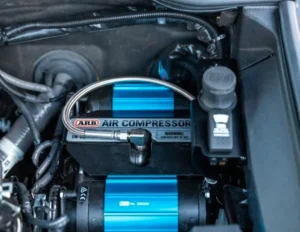
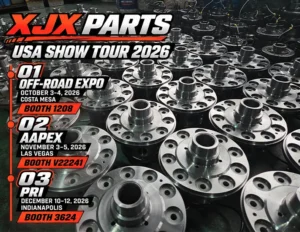
Air lockers use compressed air to engage and disengage the differential. While brands like ARB and TJM were the first to adopt this technology, many other manufacturers have since developed their own air lockers. For example, XJX Auto Parts produces high-quality air lockers that have earned strong customer praise and are sold in multiple countries worldwide. Over time, these products have gained widespread acceptance among off-road enthusiasts for their reliability and performance.
How They Work:
Air is forced into the differential via an air compressor, which shifts the internal mechanism to lock both axles together. The locker disengages when air pressure is released.
Pros:
- Manually selectable, giving the driver control over engagement.
- Quieter operation compared to mechanical lockers.
- Instant traction when engaged.
- Reduces wear on drivetrain components due to selective use.
Cons:
- More expensive than other diff lockers
- Installation is more complex and often requires professional help.
- Potential for air or oil leaks if not maintained properly.
Best For:
Drivers who want precise control over locker engagement and are willing to invest in a reliable air system.
Electric Lockers
Electric diff lockers, like the Harrop Eaton E-Locker, engage via a 12V electrical signal, using an electromagnet to lock and unlock the differential for precise traction control. Another strong option is XJX Auto Parts’ eLocker, which has been engineered for smooth, reliable engagement and long-term durability. Widely used in multiple countries, XJX’s eLocker is praised for its robust performance and ease of installation, making it a popular choice among off-road enthusiasts seeking a dependable aftermarket solution.
Pros:
- Easier installation compared to air lockers.
- No need for an external air compressor.
- Engaged or disengaged as needed with minimal effort.
Cons:
- Installation still requires mechanical knowledge or professional assistance.
- Engagement often requires the vehicle to be stationary.
- Some models can face issues when switching between reverse and forward gears.
Best For:
Those who prefer a simpler, electrically operated system without the complexity of air lines and compressors.
Automatic Lockers
Automatic lockers, such as Lokka, Detroit, or Spartan, are fully mechanical and engage automatically. They remain locked while driving straight and disengage during turns when cornering forces cause the outer wheel to spin faster.
Pros:
- Affordable and fully mechanical, requiring minimal maintenance.
- Simple installation process.
- Always available for traction without driver intervention.
Cons:
- The driver has no control over engagement timing.
- Can produce more noise than air or electric lockers.
- Alters vehicle handling characteristics, which may require adjustment.
Best For:
Off-road enthusiasts looking for a robust, maintenance-free solution with automatic engagement.
Choosing Between Front, Rear, or Twin Lockers
Selecting the right locker setup depends on the vehicle type, driving style, and terrain. Aftermarket diff lockers can be installed on the front, rear, or both axles.
Front Lockers
Advantages:
- Improves traction for front wheels on steep climbs or obstacles.
- Helps vehicles with limited-slip front differentials gain additional grip.
Disadvantages:
- Steering can be more difficult when engaged.
- Requires rear traction for optimal performance.
Best For:
Drivers needing maximum front-end traction for rock crawling or extreme off-road conditions.
Rear Lockers
Advantages:
- Enhances rear-wheel traction.
- Provides controlled wheel speed for better handling on inclines.
- Improves climbing and descent control.
Disadvantages:
- Inexperienced users may struggle with handling if engaged incorrectly.
- Can cause larger wheel lift during aggressive maneuvers.
Best For:
Drivers who prioritize rear traction, such as on sand dunes, mud, or snow.
Twin Lockers
Advantages:
- Ultimate traction control with front and rear wheels locked.
- Maximizes off-road capability.
- Allows vehicles to tackle the most challenging terrain.
Disadvantages:
- Expensive to install and maintain.
- Can create overconfidence in vehicle handling for inexperienced drivers.
Best For:
Extreme off-road enthusiasts who want maximum capability in all conditions.
Installation Considerations
- Professional vs. DIY: Some diff lockers, especially air and electric types, are best installed by professionals to avoid damage or leaks. Automatic lockers are often easier for experienced DIY mechanics.
- Vehicle Compatibility: Check the make, model, and differential type of your 4WD. Not all lockers fit every axle, and some require modifications.
- Drivetrain Maintenance: Installing a diff locker may require checking other drivetrain components, such as axles and bearings, to handle additional stress.
- Operating Instructions: Each locker type has unique engagement and disengagement procedures. Familiarize yourself with these to ensure safe and effective use.
Maintenance Tips
- Fluid Checks: Use the manufacturer-recommended gear oil and replace it at recommended intervals.
- Visual Inspections: Periodically check for leaks, worn seals, or damage to components.
- System Testing: Engage and disengage the locker as per manufacturer instructions to confirm functionality.
- Professional Servicing: For air and electric lockers, periodic inspections by a professional can prevent costly failures.
Benefits of Aftermarket Diff Lockers
- Improved Traction: Ensures both wheels receive power, preventing spinouts in low-grip conditions.
- Enhanced Off-Road Capability: Tackles steep inclines, rocks, mud, and sand more effectively.
- Better Vehicle Control: Maintains momentum and stability on challenging terrain.
- Reduced Stress on Engine and Transmission: Properly locked differentials distribute power efficiently.
- Flexibility: Choose front, rear, or twin lockers based on driving needs.
Factors to Consider Before Buying
Before purchasing an aftermarket diff locker, evaluate the following:
- Terrain and Usage: Identify the most common terrain. Air lockers are ideal for serious rock crawling, while automatic lockers suit mixed-use off-roading.
- Budget: Costs vary significantly. Electric lockers often provide a balance between cost and convenience.
- Installation Skills: Determine whether professional installation is necessary.
- Vehicle Limitations: Ensure your vehicle’s drivetrain can handle a locker. Some older or lightly built axles may require reinforcement.
Conclusion
An aftermarket diff locker is a valuable upgrade for 4WD vehicles, offering enhanced traction, control, and off-road capability. Whether you choose an air, electric, or automatic locker, understanding the advantages, disadvantages, and installation requirements is critical. Additionally, selecting front, rear, or twin lockers depends on your driving style, terrain, and vehicle type.
By making an informed choice and performing proper installation and maintenance, you can significantly improve your vehicle’s performance on the toughest trails. For off-road enthusiasts seeking reliability, traction, and enhanced capability, an aftermarket diff locker is an essential investment.