Note: XJXParts is not related to any product or model code such as ‘xjx-400’, ‘xjx-212’, or other similar terms. Our focus is exclusively on differential and drivetrain technology.

Torsen LSD Explained

Torsen LSD
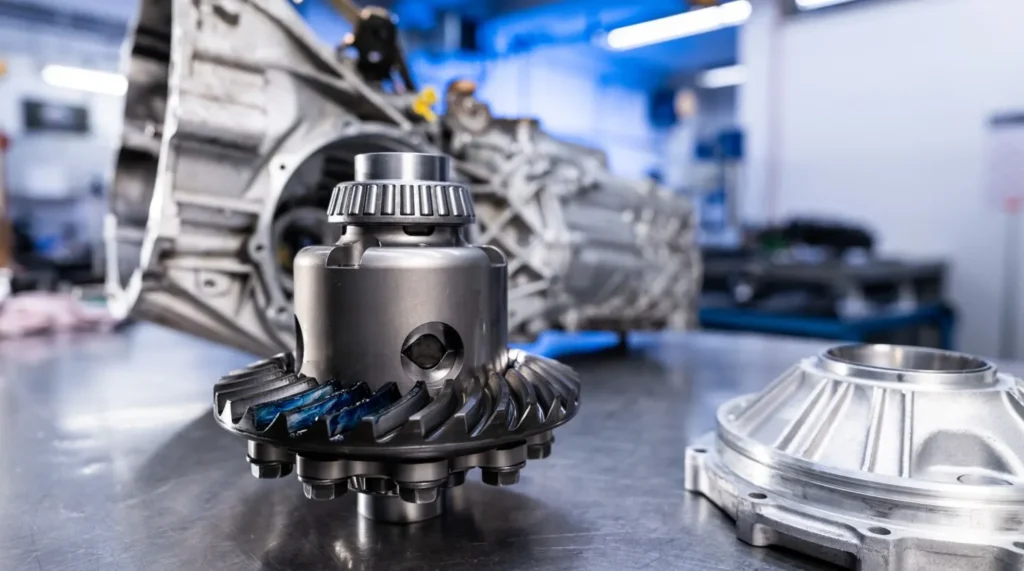
The Torsen Limited-Slip Differential (LSD) is one of the most mechanically elegant traction solutions ever engineered. No clutch packs, no electronics, no driver input required — just a set of precision worm gears that automatically redirect torque the moment a wheel begins to slip.

If you’re comparing differential options for a performance build, a fleet vehicle, or an OEM replacement, understanding how a Torsen LSD works — and where it fits — will help you make the right call.

How Does a Torsen LSD Work?

The name “Torsen” is a contraction of Torque Sensing. That’s exactly what it does.
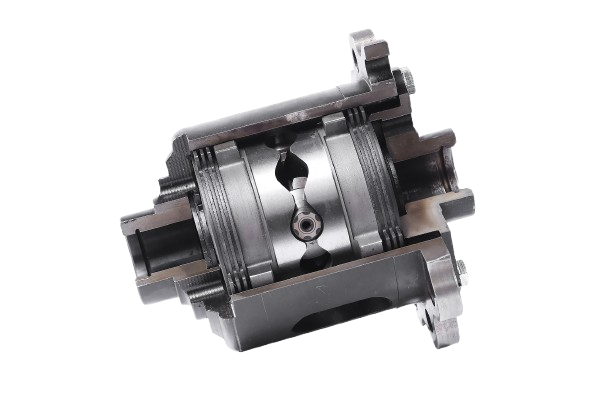
Inside a Torsen unit, a set of helical worm gears connects each output shaft (axle) to the differential carrier. Under normal driving, torque flows equally to both wheels. The moment one wheel encounters less resistance — on ice, loose gravel, or mid-corner — it tries to spin faster than the other. The worm gears resist this speed difference by generating internal friction forces, and in doing so, they automatically bias additional torque toward the wheel with better grip.
This all happens passively and continuously. There’s no sensor, no solenoid, and no delay. The mechanical response is instantaneous.

A key metric to understand here is the Torque Bias Ratio (TBR) — the maximum ratio of torque the Torsen can send to the faster-gripping wheel versus the slipping wheel. A TBR of 4:1, for example, means the differential can send up to four times more torque to the gripping wheel. Higher TBR values provide stronger locking effect; lower values allow more wheel speed differentiation, which is useful for daily driving and tight cornering.

Torsen Type A, Type B, and Type C
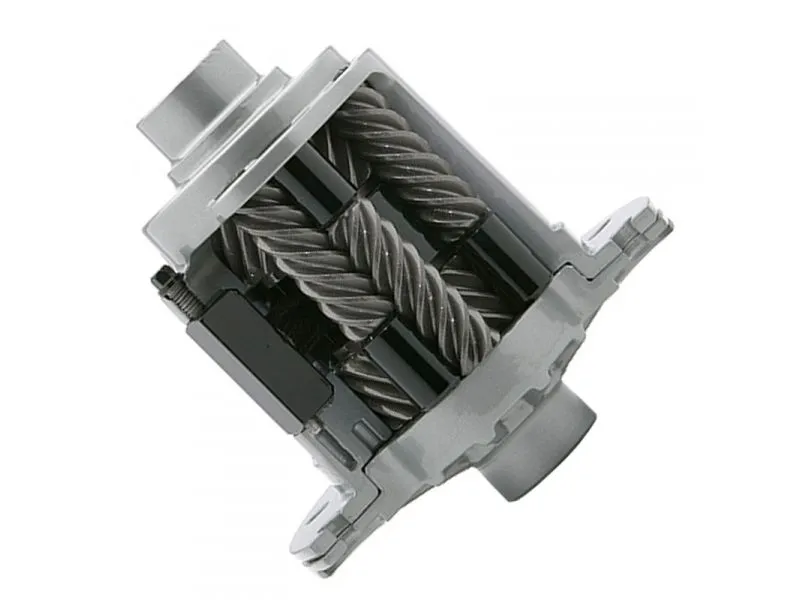
Not all Torsen differentials are the same. There are three distinct designs, each suited to different applications.
Type A uses inverted planetary worm gears. It was the original Torsen design and is most commonly found in older performance vehicles and some AWD center differentials. It offers strong torque biasing but requires a minimum torque input to function — meaning it cannot transfer torque when one wheel is completely in the air with zero resistance.
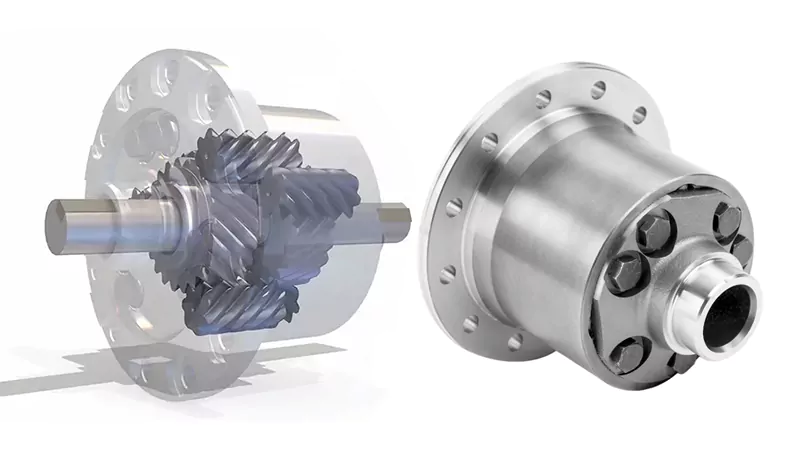
Type B uses parallel helical worm gears arranged around the differential case. It is the most widely used design today, found in a broad range of passenger cars, SUVs, and trucks. Type B offers a good balance between daily-driving comfort and performance traction.
helical limited slip differential

Torsen B-type Limited Slip Differential Working Principle

Explore the working principle of Torsen B-type Limited Slip Differential (LSD). Learn about its parallel gear design, torque-sensing mechanics, and key differences from Torsen A-type for better vehicle traction.

Type C is a compact, low-profile design developed for transverse (front-wheel drive layout) applications. It sacrifices some TBR capability for a smaller package size, making it suitable for front axles and space-constrained drivetrains.

Which Vehicles Use Torsen Differentials?

Torsen LSDs appear across a wide range of OEM applications:

  • Audi — quattro AWD systems (center differential), TT, R8
  • Lexus — GS, IS, and RC performance variants
  • Toyota — Land Cruiser (center diff), certain Tacoma and 4Runner configurations
  • Hummer — H1 (front and rear axles)
  • HUMVEE — military variants
  • Various BMW models — as an optional or factory LSD fitment

The breadth of OEM adoption is a strong indicator of the Torsen’s reliability in demanding, long-term applications — both on-road and off.

Torsen LSD vs Other Differential Types

The Torsen LSD is one of several limited-slip designs, and it’s not always the right choice for every application. Here’s how it compares at a glance:
Torsen LSD Clutch-Type LSD Open Differential
Actuation
Mechanical (passive)
Mechanical (friction)
None
Driver input needed
No
No
No
Maintenance
Very low
Periodic (fluid/plates)
Minimal
Torque bias
Moderate–high (TBR-dependent)
High
None
Smoothness
Excellent
Good
Excellent
Best for
Road + light off-road
Track / aggressive use
Basic daily driving
For a detailed side-by-side breakdown, see our comparison guide:

Clutch LSD vs Torsen Differential: A Technical Comparison Guide

Clutch LSD vs. Torsen: Which is better? Compare mechanics, maintenance, and performance to find the best limited-slip differential for your vehicle.
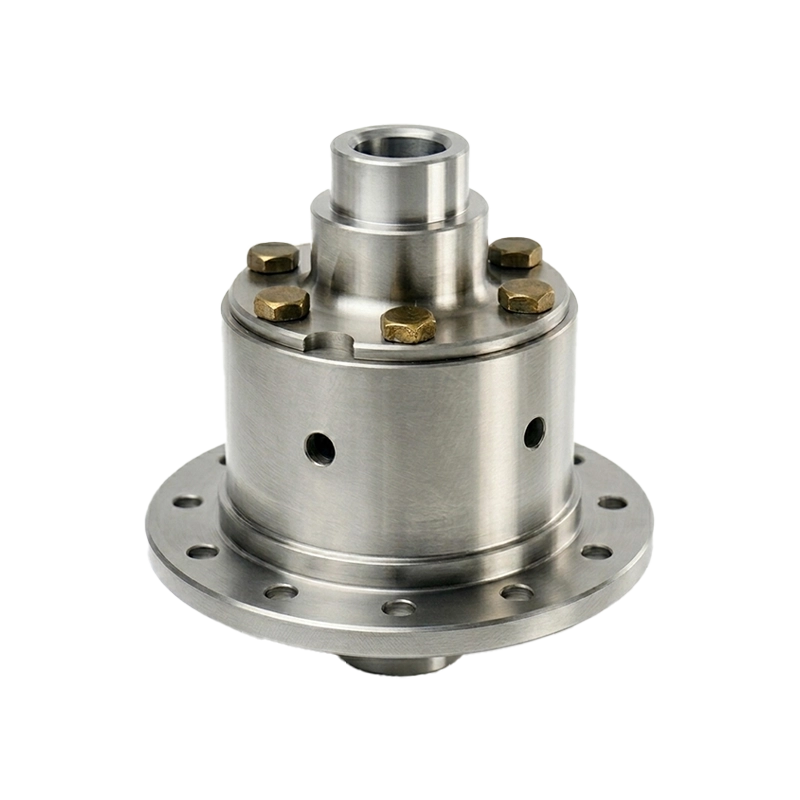
If you’re weighing a Torsen against a helical gear LSD (which operates on a similar but distinct principle), our guide covers the key differences in behavior and application:
xjxparts torsen lsd

Helical Limited Slip Differential vs Torsen: The Definitive Guide to Torque-Sensing Tech

Helical LSD vs. Torsen: Are they the same? Explore our guide on torque-sensing tech, mechanical differences, and how they optimize vehicle traction.

Advantages of Torsen LSDs

No wear components. Without clutch plates or friction surfaces, the Torsen LSD does not degrade with use the way clutch-type units do. There is no fluid additive requirement, no plate replacement interval, and no chatter under low-speed cornering.
Instantaneous response. Because the torque bias is generated by gear geometry — not by fluid pressure or electronic signals — the response is immediate. The differential reacts faster than any driver-controlled system could.
Predictable, progressive behavior. The Torsen does not lock abruptly. Torque transfer is proportional to the slip differential between the axles, which produces smooth, progressive handling characteristics. This makes it well-suited to street driving and performance road use where stability is as important as traction.
Long service life. The absence of consumable components means a properly lubricated Torsen unit can last the lifetime of the vehicle with minimal intervention.

Limitations to Be Aware Of

The Torsen LSD has one fundamental constraint: it cannot transfer torque to a wheel that has zero traction. If one wheel is completely in the air — as can happen in extreme off-road situations — there is no resistance for the worm gears to react against, and the differential behaves like an open unit.
For extreme off-road use where full wheel lift is likely, a locking differential provides more reliable traction recovery. For a comparison of how these two options perform in off-road conditions, see:

LSD vs Locker: Key Differences for Off-Road and Track Use

LSD vs. Locker: Which is right for you? Compare performance for off-road and track use to find the best traction solution for your driving style.

Additionally, the Torsen LSD is not the ideal choice for competitive drifting. Its progressive, stability-oriented behavior works against the controlled oversteer required in motorsport drift applications. For that use case, a clutch-type LSD or welded differential is typically preferred.

Is a Torsen LSD Right for Your Application?
A Torsen LSD is an excellent choice if your priority is reliable, maintenance-free traction improvement for street driving, performance road use, or moderate off-road conditions. It works best in applications where smooth, progressive torque distribution matters more than aggressive locking behavior.
It is less suited to extreme off-road use (where full axle lift is common) or competitive drifting (where abrupt, high-bias locking is desirable).
For B2B buyers and fleet operators, the Torsen’s low maintenance profile and long service life make it a cost-effective choice for high-mileage applications where downtime from differential servicing is a concern.

Is a Torsen Differential Better?

Discover why Torsen differentials outperform clutch-type LSDs. Learn about their mechanical reliability, instant engagement, and superior traction.

Conclusion

The Torsen Limited-Slip Differential is a highly effective and reliable solution for enhancing vehicle traction and handling. Its gear-based design ensures smooth, consistent performance and long-lasting durability. Whether you’re driving a performance car or an off-road vehicle, a Torsen LSD can make a noticeable difference in how your vehicle handles, giving you greater confidence behind the wheel. If you’re looking for a way to improve traction without sacrificing smoothness and reliability, the Torsen LSD is a solid choice.
XJX manufactures and supplies Torsen-type LSDs for a range of vehicle platforms, including OEM-spec replacements and custom applications for specific axle housings.

If you need a Torsen LSD for a specific vehicle model or require a custom differential specification for fleet or OEM supply, contact our engineering team or visit our XJX Torsen LSD product page for available fitments and specifications.
Don’t Stop Here

More To Explore

download catalog now!